
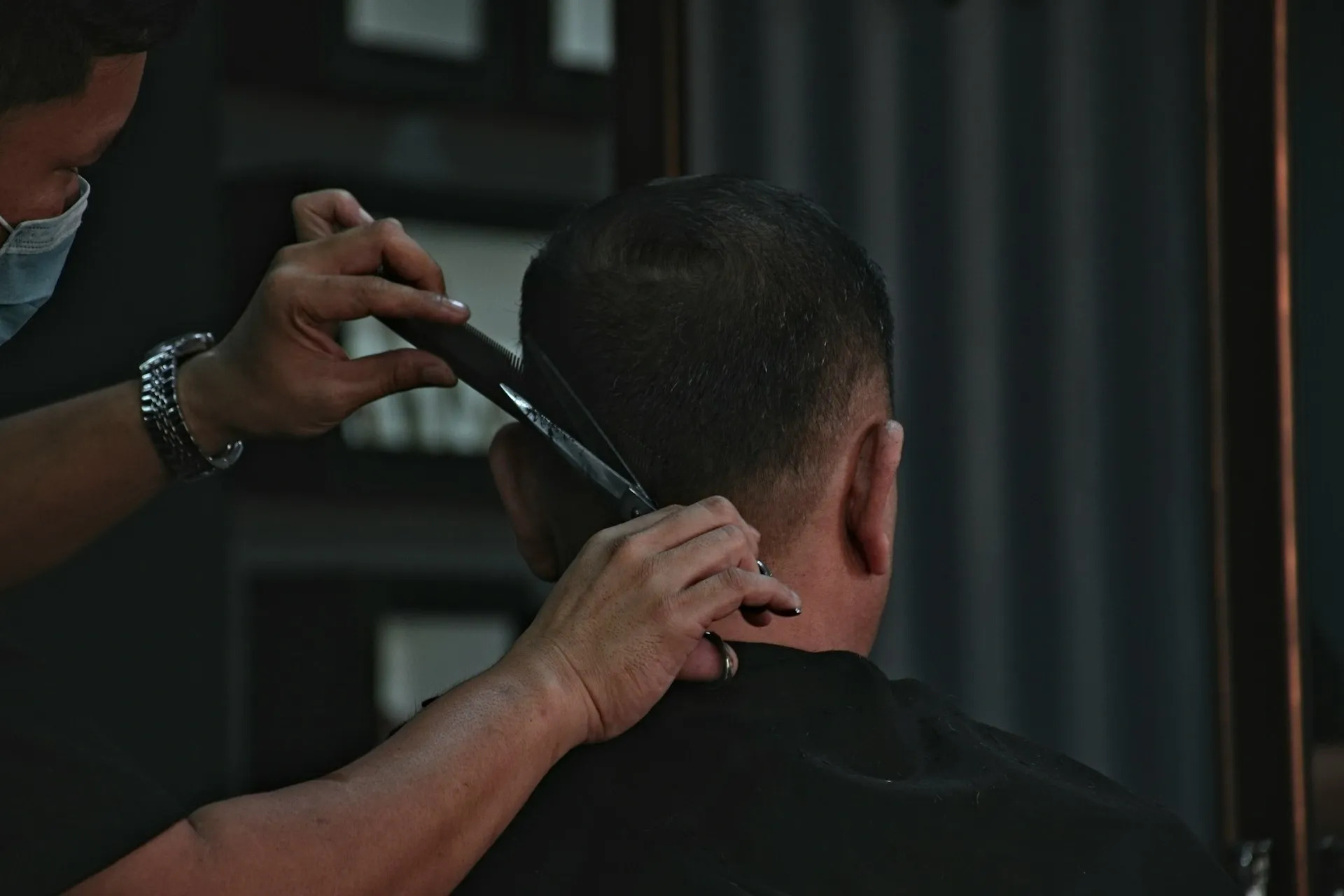
No two heads of hair walk through the door the same. Some are thick and curly, others are fine and flat. Most sit somewhere in between. At a barbershop in Brunswick, we see it all, from long waves that twist in the heat to straight hair that doesn’t hold shape for long. That means every cut needs a bit of adjusting depending on what sits in the chair.
Where you live and how you live also plays a part. In Melbourne, you can walk out into a gusty wind one minute then feel the sun on your neck the next. For us, understanding how different textures respond to those shifts makes all the difference. We don’t talk in textbook terms because most people don’t describe their hair that way. What matters more is how it behaves, how it grows, and how to make that part of the cut feel natural.
Understanding Hair Texture Without the Jargon
Most people don’t walk into the shop talking about their “level of porosity” or “curl diameter.” What we hear instead is more like, “My hair gets puffy when it’s humid” or “Nothing stays in place up top.” That’s more than enough for us to work with.
- Hair texture is usually described in everyday terms, thick, fine, soft, coarse, wavy, curly, straight
- Some textures lie flat and others fight gravity. We’ve seen it all
- Hot days, damp mornings, and even a bike helmet can change how hair settles, especially in Melbourne
When we work with someone’s texture, we’re looking for what helps the shape hold or fall apart. That means using feel and response more than labels or fixed approaches. The right technique often comes down to watching how the hair drops after the first snip and how it reacts once it starts to dry. That’s where experience kicks in.
Sometimes, a person’s explanation about how their hair feels after a shower, or how it reacts to a bit of humidity, tells us more than any technical guide ever could. Everyone’s hair has a preferred length where it looks and feels just right. By listening and observing, we’re able to find that sweet spot, which is often what customers appreciate most.
Adapting to Hair That Grows Differently
Hair growth isn’t consistent, and most heads have one or two areas that act completely different. A cowlick sits near the crown, sideburns that sprout back fast, or patches that grow out quicker than others. It’s all part of what we look for during a cut.
- Growth patterns like swirls, tight ringlets, or shifting parts affect balance
- Certain areas might need clippers while others call for scissors
- Living in Brunswick means getting used to shapes that survive hoodie season and sudden rain
A good cut doesn’t just slice things off. It pays attention to where lines should sit, where extra room is needed, and where things grow back quick. If you ride a bike, wear a cap most mornings, or jump between indoor and outdoor work, those small changes help a cut last longer and feel better day to day.
Every cut starts with noticing those little differences in how the hair grows in different spots. By keeping an eye on areas that grow out faster or sit a bit messier, we can balance the shape and make life easier for the person in the chair. Adjustments during a cut, even if they’re small, can keep things looking fresh longer and save you trouble as your hair grows out.
Cutting for Style, Not Just Shape
Some textures flip up at the ends. Others lay flat no matter how it’s styled. That’s why copying a photo doesn’t always give the result someone wants. The same cut can look completely different depending on the hair type.
- Coarse or wavy hair can hold volume easily but doesn’t suit sharp lines
- Flat or oily textures might not hold height but can shape neatly with layering
- Small product changes, a wax instead of a clay, or no product at all, make a big impact
We’re not looking to force a style onto a texture that fights back. A longer fringe might not work on bouncy curls. Tight fades may not hold their shape on extra fine hair. The cut has to suit not just the look but the natural pattern of the person’s hair. Once that lines up, day-to-day styling takes way less effort.
When someone brings in a photo, we chat through what’s possible with their hair. Sometimes a tiny tweak can make a style work better without extra product or extra time each morning. Getting that conversation going early can save a lot of headaches. Plus, it helps keep the haircut easy to manage across different days and changing weather in Melbourne.
What to Ask (Or Not Worry About) During a Cut
Lots of people feel like they have to come in with a plan or know all the right words. The truth is, talking plain and simple is better. Letting us know what’s bugging you about your hair helps more than trying to name the cut.
- Tell us what works or doesn’t, too much fluff up top, ears get lost, curls feel heavy
- If you’re unsure, we usually have a read after the first few clips
- Trust goes both ways, good communication always leads to a better finish
When someone says, “I don’t really know what to ask for,” that’s more common than not. What matters more is being honest. If we suggest moving the part or creating a bit more space at the crown, it’s because it fits the way your hair actually behaves. That kind of talk usually leads to a cut that feels yours, not just copied from someone else.
We’ve found the best cuts happen when there’s no pressure to use fancy words. Instead, we focus on what you feel and what’s been bothering you between haircuts. Often, those details lead us to little changes that make a big impact, like leaving more length where cowlicks fight the style or thinning out heavy spots so you use less product.
Helping Your Cut Last Through Late Summer
We’re heading into March, and that means warm days with fewer sweaty heads but still the odd 30-degree stretch. Now’s the time when people start asking for shapes they don’t have to mess with each morning.
- Cuts that keep volume where it helps and take weight out where it builds
- Opening up the neckline or trimming over the ears can freshen the whole shape
- Lots of people prefer letting the top grow slightly while keeping the blend tight
Late summer hair needs some breathing room. You’re past the heat of January but not yet at jacket weather. That’s why we often suggest low fuss trims now, the kind that carry through those uneven temps without needing restyling every day. Something that’s clean for work but loose enough to relax into the weekend.
Our barbershop on Grattan Street, just down the road from Brunswick and near Melbourne Uni, offers everything from short crops to longer, textured shapes. We always cut with the local climate and your hair’s quirks in mind so your style looks good and feels comfortable no matter the weather.
If you’ve been struggling with hats, helmets, or just summer humidity, now’s a good chance to talk about it. Late summer brings people who want their haircut to last a bit longer and not need so much control. That usually means trimming a little more off the sides or blending the back for less bulk. Long layers stay out of the way, but still let your hair breathe and move, making everyday life easier.
Why Texture-First Cuts Just Feel Better
Getting a cut that works with your texture makes the whole thing feel easier. It falls into place faster. It holds its shape from week to week without looking strange one day and sharp the next. When we focus on how your hair behaves instead of how it’s labelled, it just makes more sense.
We spend a lot of time watching how different textures respond to heat, hats, helmets, and weather around Brunswick. That quiet awareness, the sort you pick up after years doing cuts here, helps every head of hair look a little more like it belongs to the person wearing it. When that happens, the cut stops feeling like something borrowed and starts feeling like yours.
Every head we work on tells a different story, so we always cut with texture in mind, paying attention to those small details that make a difference. For locals who want a proper cut at a barbershop in Brunswick that understands how Melbourne weather affects your hair, Buddy’s Barbershop is here to work with what your hair naturally does. Reach out to book a cut that really fits you.